
The full briefing
Read at your own pace
1. Cost of living in Mexico
Mexico could be cheaper than other places in the United States, Canada, and Europe, but depending on the specific place, expenses could differ greatly. The real cost of living budget has to consider the costs for accommodation, utilities, groceries, transport, health care, insurances, taxes, and an emergency fund.
The local market and locally produced food could be cheap, but imported food, popular beach zones, and central areas could be expensive. Conduct research in the specific city of your choice and do not base your budget on the national average.
A sense of place
Context for your Mexico journey
Accommodation, health care, and internet
Rent, utilities, and internet are often manageable for expats, but housing costs change quickly between Mexico City, Mérida, beach destinations, and smaller towns. Check lease terms, deposits, furnishing, cooling costs, and neighborhood access before signing.
There are both state and private healthcare services in Mexico. It’s worth comparing them according to prices, language barriers, and other details before deciding on a place of accommodation. The presence of an internet connection can be verified if you work remotely.
Lifestyle and communities
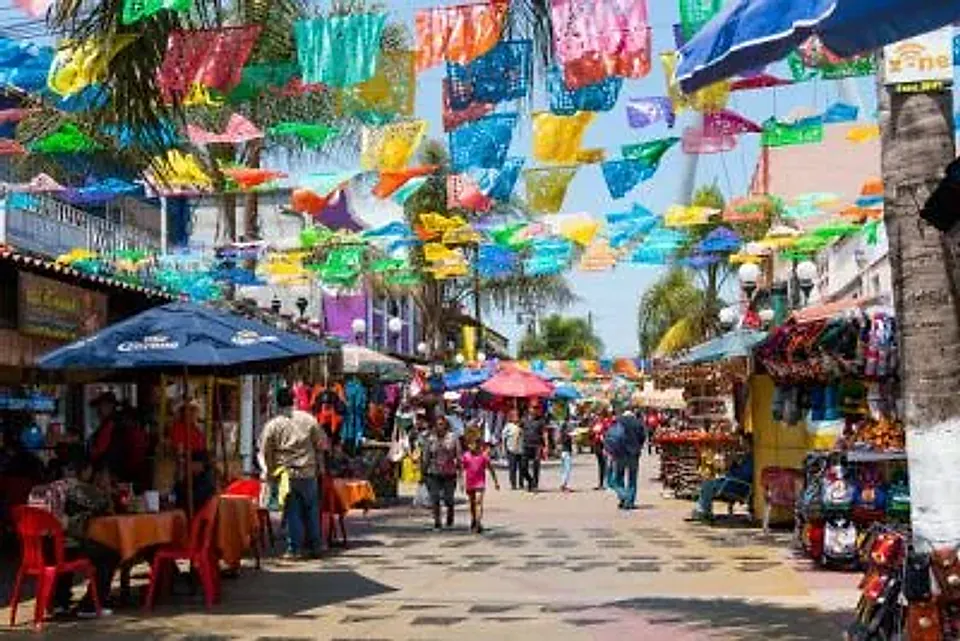
Being an expatriate in Mexico is not only about being economical. The food of that particular region, the festivals, the historic towns, the beaches, mountains, and the strong sense of family and community become a part of the lifestyle. There are specific things which differentiate each region from others.
It becomes easier for expats to integrate when they take part in the local events rather than sticking to their international networks. Learning Spanish proves to be the best investment for expats.
Transportation and entertainment
Public transportation is abundant in big cities; however, buses and internal flights can take you to other regions. Ride sharing is also available in most urban areas; however, depending on your location, services may vary.
The country provides you with access to beaches, mountains, deserts, forest, museums, art galleries, entertainment, sport activities, etc. The kind of life you prefer can be walking, beach, and career-oriented.
The kind of expectations to have of life as an expatriate
The knowledge of Spanish language will be necessary to ensure that the everyday activities run smoothly regardless of whether English is widely spoken within certain areas.
There are differences in terms of safety from one state to another, from one city to another, and even from one area to another. One needs to do research on the current situation, seek information from locals, and use some common sense in making decisions on accommodation, transportation, and everyday activities.
There are differences in visa and residency requirements based on several factors.
Favorite cities for expats
Mexico City offers culture, employment, restaurants, and international connections. Mérida is known for colonial character and a slower pace. Puerto Vallarta provides coastal living and an established expat community. San Miguel de Allende attracts people interested in arts and historic neighborhoods. Cancún and Playa del Carmen offer Caribbean access and tourism-driven services.
Review each destination considering housing conditions, health care services, weather, safety, access to airport, jobs, and type of community that you wish to form.
Prepare to move
Visit your choice of city, prepare a budget for a specific place, consider the healthcare and housing situation, study some basics of Spanish language and check that immigration route corresponds to your plans. Proper planning will save you from mistakes after you arrive at the new place.
MexoPath helps you to assess available visas and residency programs, prepare documentation and plan the first steps of your relocation. Ultimately, the decision on your immigration will be made by competent Mexican authorities.